Google’s E-E-A-T: Why It Matters & How to Build It
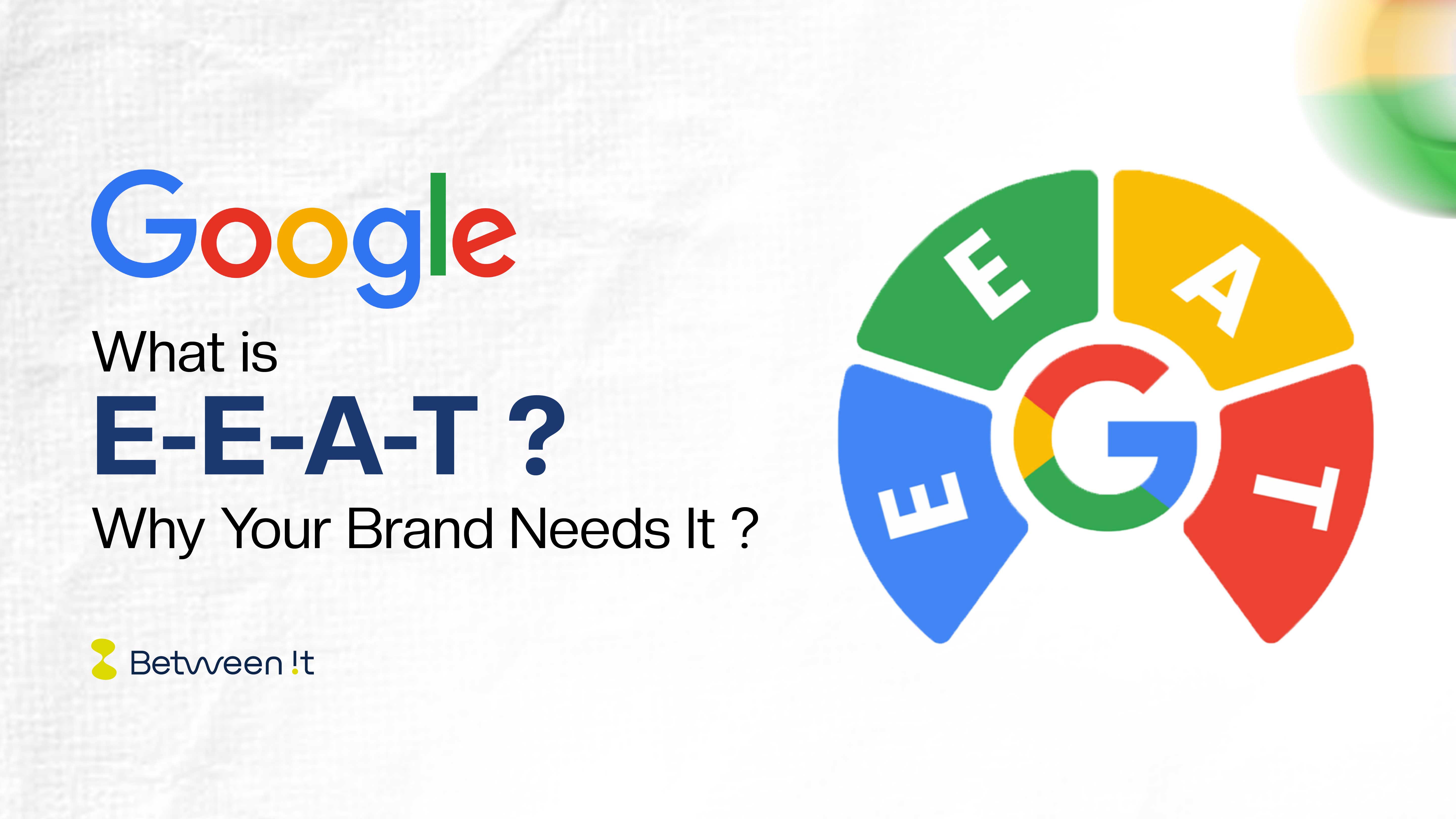
If you’ve spent any time learning about SEO, you’ve probably come across the term E-E-A-T. But what does it really mean, and why has it become such a critical concept for brands looking to succeed online?
E-E-A-T stands for Experience, Expertise, Authoritativeness, and Trustworthiness. It’s a principle used by Google’s Search Quality Rater Guidelines to evaluate whether content is trustworthy and valuable for users. While E-E-A-T itself isn’t a direct ranking factor, websites that align with its principles often rank higher because Google rewards content that users trust.
In today’s digital world, where misinformation spreads rapidly and competition for attention is fierce, building E-E-A-T is not optional, it’s essential.
Why E-E-A-T Matters
Ever wondered why some blogs and e-commerce sites never rank despite having lots of content? Or why a small brand can suddenly dominate search results? The secret often lies in E-E-A-T. High E-E-A-T signals to both users and search engines that your content is credible, reliable, and worth consuming. For sensitive industries like healthcare, finance, or legal services, it can be the difference between appearing on page one or being buried deep in the search results.
Even for lifestyle, e-commerce, or digital marketing brands, demonstrating E-E-A-T can improve user trust, click-through rates, and long-term engagement.
Breaking Down E-E-A-T
1. Experience
Experience shows that your content creator has first-hand knowledge of the topic. A review written after actually testing a product or service is far more convincing than one written purely based on research.
Pro Tips to Showcase Experience:
- Include real-life examples, photos, or videos
- Share behind-the-scenes insights or lessons learned
- Feature customer stories or testimonials
Example: A Shopify store owner who documents testing different product variations provides authentic insights that readers trust, boosting both engagement and conversion rates.
2. Expertise
Expertise is about demonstrating knowledge and skill in your field. Users expect content on topics like health, finance, or law to be written by qualified professionals. In other industries, practical know-how, tutorials, and solutions to real problems demonstrate expertise.
How to Build Expertise:
- Highlight team credentials, certifications, or experience
- Provide actionable advice backed by evidence or data
- Use a well-thought-out content strategy to align with audience needs
3. Authoritativeness
Being knowledgeable is one thing, but being recognized as a trusted source is another. Authoritativeness depends on your reputation within your niche. Are other authoritative websites linking to your content? Are you cited or referenced as a credible source?
Ways to Increase Authoritativeness:
- Earn backlinks from trusted sites
- Contribute guest posts or thought leadership articles
- Gain mentions in reputable media outlets
Example: A fintech blog that gets linked by major financial news sites instantly gains authority in the eyes of both users and search engines.
4. Trustworthiness
Trust is the backbone of E-E-A-T. Users and Google need confidence that your content is accurate, secure, and transparent.
Quick Checklist for Trust Signals:
- Add author bios with credentials and contact info
- Keep content updated and fact-checked
- Use HTTPS and maintain a secure site
- Be transparent about sources, reviews, and partnerships
Example: A blog that clearly states its sources and shows a professional, secure website design earns both user and search engine trust.
How to Apply E-E-A-T for Better SEO
Applying E-E-A-T isn’t just a proposition, it’s about concrete conduct that shows users and search engines your content is secure, authoritative, and valuable. Here’s a step-by-step companion to put E-E-A-T into practice:
Produce authentically valuable content: Your content should go beyond introductory information and offer unique perspectives, results, or insights that competitors cannot provide. Think of content as an investment in your brand’s credibility.
How to do it: Conduct original research, tests, or experiments relevant to your niche. Give actionable advice, step-by-step tutorials, or case studies. Include illustrations, screenshots, and visuals to make content digestible. Address questions your audience frequently asks through forums, social media, or search queries.
Example: A Shopify store writing an in-depth guide on “How to Optimize Product Listings for Maximum Conversions” with screenshots, sample product descriptions, and conversion data provides real value that builds experience and trust.
Show expertise: Expertise means demonstrating that you or your team have the knowledge, credentials, or real-world experience to provide accurate and insightful information.
How to do it: Highlight team credentials, awards, and experience. Include bios for authors and contributors with their experience or qualifications. Provide examples of work, results, or processes that prove skill. Publish tutorials or insights backed by data and research.
Example: A digital marketing agency posting detailed SEO audits or campaign results establishes credibility by showing they practice what they preach.
Establish authority: Authority is about being recognized as a trusted source within your niche. It’s the difference between being knowledgeable and being known as a go-to expert.
How to do it: Earn backlinks from authoritative websites, blogs, and media outlets. Publish guest articles or participate in interviews in your industry. Highlight press mentions, awards, or collaborations with well-known brands. Produce comprehensive guides or resources that become reference points in your field.
Example: A fintech blog that gets linked by major finance publications becomes an authority in the eyes of both users and Google.
Maintain editorial standards: Content must be accurate, consistent, and professionally presented. High-value content can lose trust if filled with errors or outdated information.
How to do it: Fact-check all claims, statistics, and statements. Proofread for grammar, spelling, and formatting. Maintain a consistent tone and voice across all content. Update old content to keep it relevant and accurate.
Example: A health blog regularly updating its nutrition guides with the latest research ensures that readers and search engines view it as a reliable source.
Encourage audience engagement: Engagement signals authenticity and trust. When users interact with your content, leave reviews, or ask questions, it tells Google that your website is credible and valuable.
How to do it: Add comment sections, Q&A areas, or discussion forums. Encourage product reviews, testimonials, or case studies. Run polls or surveys to understand audience preferences and improve content. Respond to comments and engage with users to show that your brand is active and attentive.
Example: An e-commerce site allowing verified buyers to leave detailed product reviews not only builds trust but also adds user-generated content that improves SEO rankings.
Real-Life Examples of E-E-A-T in Action
Patagonia When launching its wetsuit recycling program, Patagonia demonstrated E-E-A-T by: Participating first-hand knowledge of sustainable innovation (Experience) Showing deep product expertise (Expertise) Earning media mentions and backlinks (Authoritativeness) Being transparent and authentic with customers (Trustworthiness)
Small Business Example A small Shopify brand that actively collects client testimonials, showcases product testing, and earns media mentions improved its search rankings within months, proving that E-E-A-T is attainable at every scale.
Metrics to Track E-E-A-T Impact
You can measure E-E-A-T indirectly through: Engagement metrics: Track time on page, social shares, and CTRs for content Backlinks & mentions: Monitor how many authoritative sites reference your content User reviews & ratings: Positive reviews indicate trustworthiness Search rankings: Pages with high perceived trust often rise in SERPs over time
Future of E-E-A-T
As AI-generated content grows, genuine human expertise and authenticity will become increasingly critical. Google is likely to prioritize content that shows real experience and authority. Brands that invest in E-E-A-T now, through credible content, strong link profiles, and audience trust, will have a competitive advantage. Partnering with a dependable digital marketing agency, ensures strategies are future-proof and grounded in authenticity
Quick Engagement Tips for Readers
Ask readers questions: “Which E-E-A-T factor is most challenging for your brand?” Add polls or quizzes: “Rate your website’s trust signals from 1–5.” Include actionable checklists or templates for instant implementation Encourage sharing: “If this guide helped you, share it with your team or community”
Final Thoughts
E-E-A-T is more than an SEO concept; it’s a philosophy for creating content that users trust, value, and engage with. Focusing on real experience, proven expertise, earned authority, and lasting trustworthiness gives brands an edge in search rankings and audience connections.
Whether you run a blog, e-commerce store, or enterprise-level website, integrating E-E-A-T principles now prepares you for the future of search. Partnering with a reliable digital marketing agency helps turn strategy into results, building authority, credibility, and long-term growth.
By adopting this mindset, your content won’t just rank, it will connect, convert, and stand the test of time.
Author: BetweenIT
Between IT is a team of digital experts dedicated to innovating and delivering 360° digital solutions. For 10+ years, we've been helping brands connect with consumers by offering tailored strategies to expand online presence and business growth.