What Happens When AI Knows Your Customers Better Than You Do?
Imagine this: You open Instagram at 7 AM, and the first ad is for a coffee subscription service offering 20% off your first order. Coincidence? Not really. AI algorithms recognize that you usually scroll social media in the morning and classify you as a coffee lover based on your habits.
This isn't science fiction. It's Tuesday morning in 2025.
Why Generic Marketing is Dead
Remember when Coca-Cola put names on bottles and it created a frenzy? That campaign seems outdated now. Today's AI doesn't just put your name on a product; it understands that you prefer cold brew over espresso, buy coffee twice a week, and are most likely to make a purchase on Friday afternoons.
Sephora's AI system tracks how long you look at specific products online. If you spend over 30 seconds on a red lipstick but don't buy it, you might get a personalized email three days later with similar shades and reviews from customers with your skin tone.
The best digital marketing agencies now help brands move beyond guessing demographics. They use AI to understand individual customer behavior—not just age and location, but also emotional triggers and buying intentions
Real-Time Magic Happening Right Now
Walk into a Target store while using their app, and AI immediately adjusts your mobile experience. The system knows your location, shopping history, and current promos. Your phone might buzz with a message: "Your usual shampoo is on aisle 7, and there's a 15% off coupon for the face wash you looked at last week."

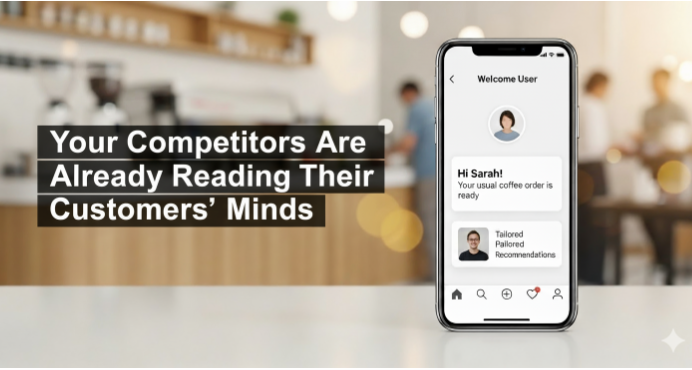
Starbucks takes this a step further. Their app remembers your "usual" order and suggests changes based on the weather, time of day, and seasonal favorites. On a rainy Tuesday, it might recommend adding an extra shot to your latte since data shows you prefer stronger coffee on gloomy days.
Digital marketing companies are racing to implement similar real-time personalization for their clients. The winners recognize that modern consumers want brands to anticipate their needs, not just respond to them.
The Psychology Behind the Screen
Here's where most businesses go wrong with personalization: they think it's about pushing products. It's actually about making choices easier.
Netflix doesn't show you 15,000 movies because choice overload is a real issue. Instead, AI curates 40-50 options it thinks you will enjoy, organized into personalized categories like "Critically Acclaimed Dramas for You" or "Because You Watched Stranger Things."
Amazon's homepage for a new parent looks very different from that of a college student. The parent sees baby products, household essentials, and Prime delivery options. The student sees textbooks, dorm supplies, and budget-friendly choices.
Smart digital marketing services understand that personalization is not manipulation; it's customer service. When done well, it feels like having a helpful friend who remembers your preferences and saves you time.
Beyond Product Suggestions
Airbnb's AI doesn't just recommend places to stay; it personalizes the whole booking process. Business travelers see work-friendly features first. Families find child safety details and kid-friendly neighborhood info upfront. Solo female travelers get extra security information and well-lit arrival instructions.
Spotify's Discover Weekly isn't just a playlist; it's a weekly surprise that shows a deep understanding of your musical tastes. The AI analyzes what you play, what you skip, when you repeat songs, and how your preferences change over time.
Progressive Insurance's Snapshot program customizes your car insurance rates based on your actual driving habits, not demographic assumptions. Responsible drivers pay less, regardless of their age or location.
The most innovative digital marketing agencies help clients personalize experiences at every touchpoint, making customer journeys feel natural rather than intrusive.
Privacy Without Paranoia

Here's the trillion-dollar question: How do you personalize without being creepy?
Apple solved this with iOS. Your iPhone learns your daily habits and suggests apps you'll need, but this learning happens on your device. Apple never accesses your personal data, yet you enjoy highly tailored experiences.
DuckDuckGo shows that search can be both private and relevant. They provide personalized results based on your current query without saving your search history or creating user profiles.
GDPR didn't kill personalization; it introduced trust-based marketing. Leading digital marketing firms now see privacy as a selling point, not a compliance hassle.
Real Success Stories
Dollar Shave Club's AI figures out when you'll run out of razors and sends refills before you even realize you need them. This predictive approach turned a regular product into a popular subscription service.
Nike's app generates personalized workout plans according to your fitness level, preferred activities, and available equipment. The AI adjusts recommendations as you make progress, keeping you motivated without overwhelming beginners or boring experts.
Domino's Pizza Tracker became more than just a delivery update; it turned into a personalization engine. The system remembers your order history, suggests modifications based on local preferences, and optimizes delivery routes in real-time.
These examples share a common theme: AI solves real problems instead of just selling products.
Your Step-by-Step Implementation Blueprint
Ready to change your business with AI personalization? Here's your practical plan:

Phase 1: Foundation Building (Weeks 1-4)
Start by reviewing your current customer data. Most businesses have valuable information—purchase history, website behavior, email interactions, and support tickets. Combine this data into a single customer view.
Set up basic tracking tools like Google Analytics 4, Facebook Pixel, or Hotjar. These free tools capture user behavior patterns that form your AI's training data. Don't skip this; quality data is essential for effective personalization.
Phase 2: Quick Wins (Weeks 5-8)
Start with email personalization. Segment your list based on buying behavior, not just demographics. Create different email flows for new buyers, repeat customers, and inactive users. Use dynamic content blocks to show relevant products based on what they previously browsed.
Implement exit-intent popups with personalized deals. Instead of generic "10% off," show visitors products they viewed with targeted messages like "Still thinking about those running shoes? Here's 15% off to help you decide."
Phase 3: Website Personalization (Weeks 9-16)
Add AI-driven product recommendations to your site. Tools like Dynamic Yield, Optimizely, or even Shopify's built-in options can boost conversions by 10-30% right away.
Personalize your homepage based on where visitors come from. Those arriving from social media see social proof and trending products. Search traffic sees product-focused pages. Email clicks continue their email journey.
Phase 4: Advanced Automation (Weeks 17-24)
Use chatbots that can match communication styles. Train your AI assistant to reflect your customer's tone—formal for business inquiries, casual for general questions. Most digital marketing services overlook this important detail.
Deliver predictive content. If someone downloads a beginner's guide, automatically enroll them in educational email series. If they check out premium products, shift messaging to emphasize value and quality instead of price.
Phase 5: Omnichannel Integration (Weeks 25-52)
Connect all customer interactions into one seamless experience. Your email recommendations should match website suggestions. Social media ads should reflect recent browsing. Customer service should have complete interaction history.
Implement behavioral triggers across all platforms. If someone leaves items in their cart, don't just send an email; show them retargeting ads, adjust their next website visit, and prepare your sales team with background info if they call.
The Technical Must-Haves
Select a Customer Data Platform (CDP) like Segment, Adobe, or HubSpot. These tools merge customer data from various sources, enabling AI personalization. Start with basic plans; you can always upgrade later.
Invest in A/B testing tools. Options like Optimizely or VWO let you scientifically test different personalization strategies. Experiment with everything: subject lines, product suggestions, page layouts, and tone of messaging.
Budget Reality Check
Small businesses can begin with $200-500 monthly for basic personalization tools. Mid-size companies should allocate $2,000-5,000 monthly for more comprehensive solutions. Enterprise setups may range from $10,000-50,000 monthly, but ROI often exceeds 300% within the first year.
Measuring Success
Start by tracking engagement metrics like email open rates, click-through rates, and time spent on the site. These improve quickly with basic personalization. Then check conversion metrics: purchase rates, average order value, and customer lifetime value.
Set up cohort analysis to gauge long-term effects. Personalized customers typically have a 20% higher lifetime value and 50% better retention rates.
Common Implementation Mistakes to Avoid
Don't attempt to personalize everything at once. Focus on high-impact areas where you have enough data. Trying site-wide personalization with too little data results in negative experiences.
Never compromise privacy for personalization. Be open about data collection and give customers control over their preferences. Trust is key for long-term value.
Avoid over-personalization that feels intrusive. If your AI knows too much too quickly, customers may feel monitored instead of served. Build personalization gradually as you establish relationships.
What's Coming Next
Voice commerce is the next frontier for personalization. Amazon's Alexa already understands your shopping habits, but imagine when it can pick up on emotional context too. "Alexa, I'm worried about tomorrow's presentation" could trigger suggestions for calming tea, meditation apps, or meal delivery for convenience.
Augmented reality will make personalization visual. You might try on clothes virtually that are selected based on your style, body size, and current wardrobe. You can also see furniture in your own room before buying, with AI recommending pieces that fit your style.
Predictive personalization will recognize life changes. AI might notice patterns indicating you're house-hunting and proactively share related content about mortgages, moving services, and home insurance.
The Bottom Line
AI-powered personalization isn't just about technology; it's about understanding customers on a large scale. The brands succeeding in 2025 don't just collect customer data; they turn it into genuine care and insight.
Every digital marketing firm faces a choice: evolve into personalization partners or risk becoming irrelevant. The technology is available. Customer expectations are clear. The only remaining question is how quickly companies can adapt.
The future isn't about selling to everyone. It's about treating each customer as if they're your only one. AI makes this possible, and the businesses embracing this shift now will succeed in the market of tomorrow.
Your customers want experiences that truly understand them. The question is: are you ready to deliver?
Author: BetweenIT
Between IT is a team of digital experts dedicated to innovating and delivering 360° digital solutions. For 10+ years, we've been helping brands connect with consumers by offering tailored strategies to expand online presence and business growth.